Introduction
Heating systems have evolved significantly over the years, moving beyond traditional wall-mounted radiators to more discreet and space-saving solutions. One such innovation is the skirting board radiator, a design that integrates heating into the lower edges of a room, replacing conventional skirting boards. For homeowners looking to optimise space without compromising on warmth, this option has become increasingly appealing.
As energy efficiency and interior design both take centre stage in modern homes, many people also compare different heating options and ask questions such as Are electric radiators better for efficiency and long-term comfort. Skirting board radiators have entered this conversation as another modern alternative to standard heating systems. Understanding how they work and where they fit can help homeowners decide whether they offer practical value for their space.
What Are Skirting Board Radiators?
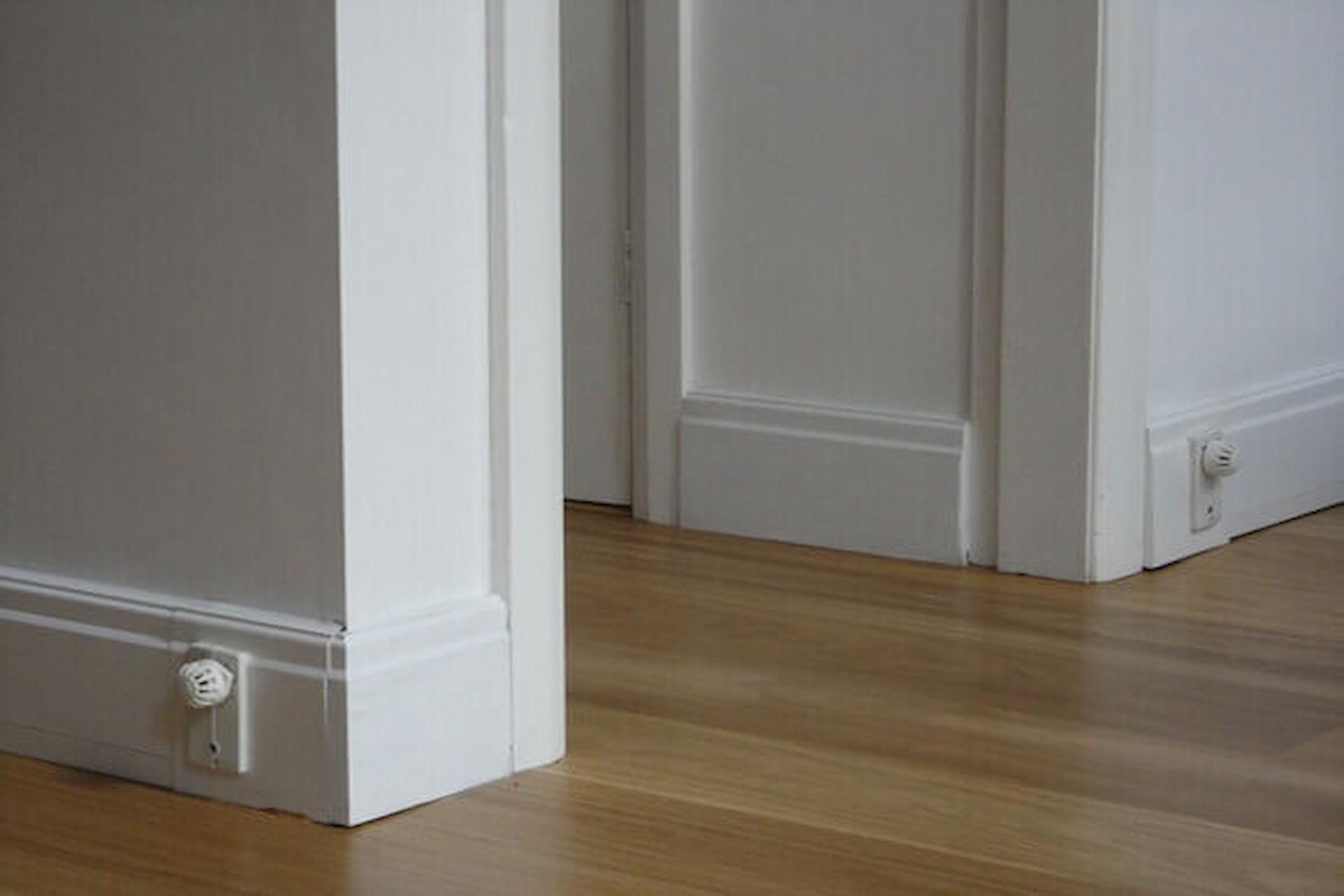
Skirting board radiators are low-profile heating systems installed along the base of walls, effectively replacing traditional skirting boards. Instead of occupying wall space like standard radiators, they run continuously around the perimeter of a room, distributing heat more evenly.
These systems typically use hot water from a central heating system or operate electrically, depending on the design. Their slim structure allows them to blend seamlessly into interiors, making them especially suitable for modern or minimalist spaces.
Unlike bulky radiators, skirting board systems provide a subtle and integrated solution, often going unnoticed while still delivering consistent warmth.
How Do They Work?
The functionality of skirting board radiators is based on convection. Warm air rises from the base of the wall, creating a natural circulation of heat throughout the room. This continuous flow helps eliminate cold spots, which are common with traditional radiators positioned in a single location.
Because they run along the perimeter, these radiators create a gentle heat barrier around the room. This can be particularly effective in properties with external walls, where heat loss is more common.
The system operates quietly and efficiently, with heat distributed at a lower intensity over a larger surface area, rather than concentrated in one place.
Advantages of Skirting Board Radiators
Space-Saving Design
One of the most notable benefits is the space they free up. Without large radiators on the walls, furniture placement becomes more flexible. This is especially useful in smaller rooms or properties where every inch of space matters.
Even Heat Distribution
Because heat is spread around the entire room, skirting board radiators provide a more balanced temperature. This reduces the likelihood of hot and cold zones, improving overall comfort.
Aesthetic Appeal
These radiators are discreet and modern in appearance. They blend into the room’s design rather than standing out, making them a popular choice for contemporary interiors.
Reduced Dust Circulation
With gentler convection currents, there is often less dust movement compared to traditional radiators. This can contribute to a cleaner indoor environment.
Potential Drawbacks to Consider
Installation Complexity
Installing skirting board radiators can be more complex than fitting standard radiators. Retrofitting them into existing homes may require adjustments to pipework or electrical systems.
Initial Costs
The upfront cost is typically higher than traditional radiators. While they may offer long-term benefits, the initial investment can be a deciding factor for many homeowners.Limited Heat Output in Large Spaces In larger rooms or open-plan areas, skirting board radiators may struggle to provide sufficient heat on their own. Additional heating solutions may be required to maintain comfort levels.
Comparing Skirting Board Radiators to Traditional Systems
Traditional radiators remain a popular choice due to their simplicity and proven performance. They are easy to install, widely available, and capable of delivering high heat output.
However, they can take up valuable wall space and often create uneven heating patterns. In contrast, skirting board radiators offer a more subtle and evenly distributed heat, but may not always match the power of larger units.
When considering alternatives, many homeowners also explore electric options. Questions such as whether electric radiators are more efficient or cost-effective often arise alongside decisions about design and installation.
Are Skirting Board Radiators Practical?
The practicality of skirting board radiators largely depends on the specific needs of the property and the homeowner’s priorities.
They are particularly well-suited for:
- Smaller rooms where space is limited
- Modern interiors with minimalist design preferences
- Homes undergoing renovation where heating systems can be redesigned
- Properties with good insulation, where lower heat output is sufficient
However, they may be less suitable for:
- Large, open-plan spaces requiring high heat output
- Older properties with poor insulation
- Situations where budget constraints limit upfront investment
In many cases, they work best as part of a broader heating strategy rather than a complete replacement.
Energy Efficiency Considerations
Skirting board radiators can be energy efficient when used in well-insulated homes. Their ability to distribute heat evenly means less energy is wasted trying to balance temperatures across a room.
Because they operate at lower temperatures over a longer surface area, they can maintain comfort without the sharp temperature fluctuations often associated with traditional radiators.
That said, overall efficiency depends on factors such as insulation, system design, and usage habits. No heating solution operates in isolation, and performance will always be influenced by the wider environment.
Conclusion
Skirting board radiators offer a modern and space-saving alternative to traditional heating systems. Their discreet design, even heat distribution, and compatibility with contemporary interiors make them an attractive option for many homeowners.
However, they are not a one-size-fits-all solution. Factors such as installation complexity, initial cost, and heating requirements must be carefully considered. In smaller, well-insulated spaces, they can perform exceptionally well, while larger or less efficient homes may require additional support.
Ultimately, choosing the right heating system involves balancing practicality, efficiency, and design preferences. Skirting board radiators present a compelling option, particularly for those seeking a subtle yet effective approach to home heating.