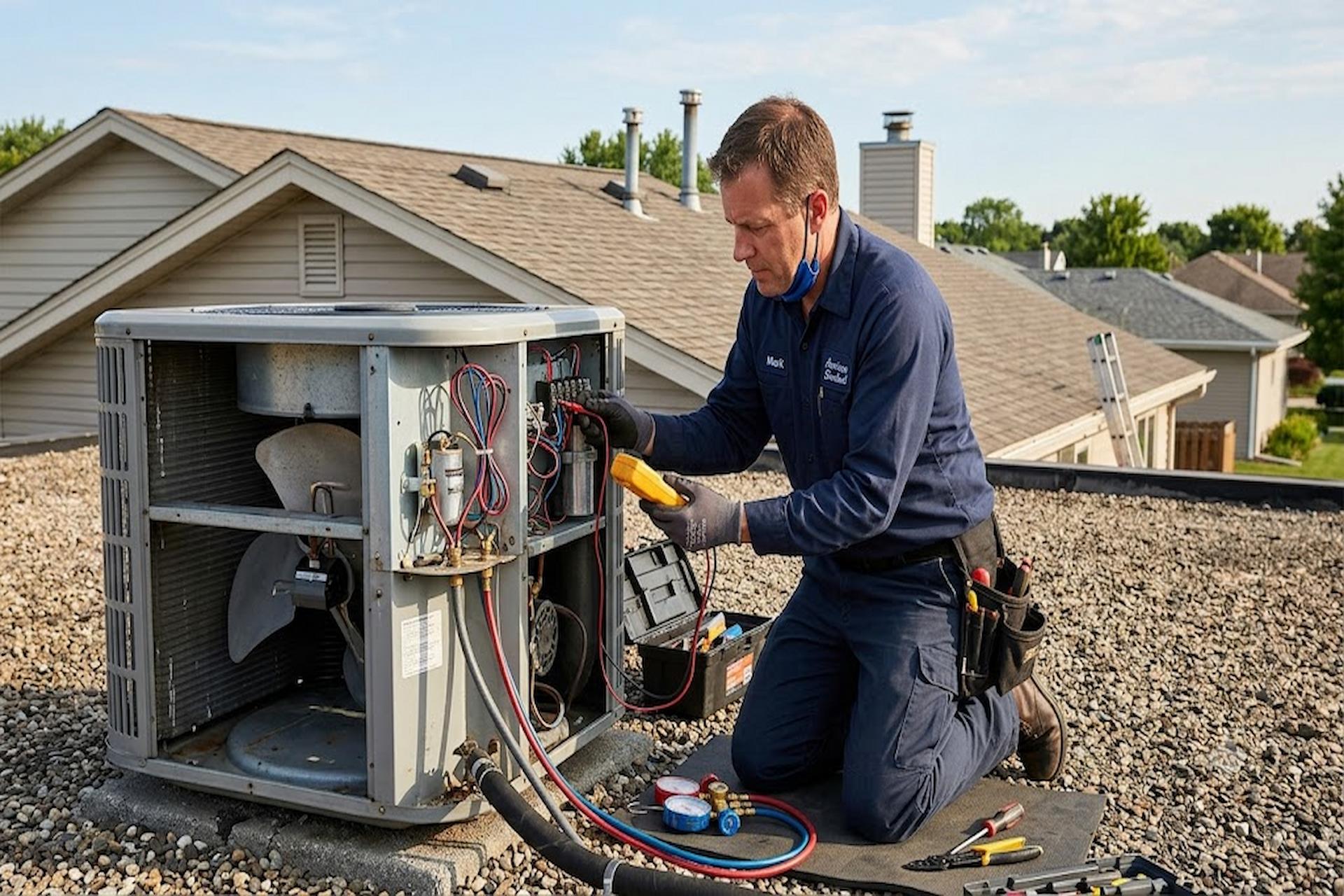
Heating and cooling system works hard to keep your home comfortable, but it can only perform as well as the ductwork that carries air throughout the house. While many homeowners focus on replacing filters or servicing their equipment, aging ducts are often overlooked until they begin causing noticeable problems. If you’re searching for reliable HVAC repair Columbia services, it’s worth considering whether your ductwork could be contributing to the issue.
As ductwork ages, small problems like leaks, loose connections, and poor insulation gradually reduce system performance. These hidden issues force your HVAC system to work harder, increasing energy costs and leading to more frequent repairs. Understanding how aging ductwork affects efficiency can help you address problems before they become expensive.
How Ductwork Affects Your HVAC System
Ductwork acts as the delivery network for heated and cooled air. Whether your furnace or air conditioner is running, conditioned air travels through ducts before reaching each room in your home.
When ducts are in good condition, airflow remains balanced and efficient. However, years of use can cause materials to deteriorate. Metal ducts may separate at joints, flexible ducts can sag or tear, and insulation may lose its effectiveness. Even small defects can have a significant impact on overall system performance.
Because the HVAC unit depends on unrestricted airflow, damaged ductwork creates additional strain that affects both comfort and equipment lifespan.
Common Signs Your Ductwork Is Aging
Many homeowners don’t realize their ducts are failing because most of the system is hidden behind walls, ceilings, or in crawl spaces. Fortunately, several warning signs can point to aging ductwork.
Look for symptoms such as:
- Uneven temperatures between rooms
- Higher energy bills without increased usage
- Weak airflow from supply vents
- Excessive dust around the home
- Noisy ducts that rattle or whistle
- HVAC equipment running longer than usual
- Rooms that never seem comfortable
While these issues can have multiple causes, aging ducts are often a contributing factor.
Why Aging Ductwork Leads to More HVAC Repairs
A damaged duct system forces your heating and cooling equipment to compensate for lost airflow. Instead of operating efficiently, the system runs longer to reach the desired indoor temperature.
Over time, this extra workload places stress on major components, including:
- Blower motors
- Compressors
- Heat exchangers
- Evaporator coils
- Fans
Longer operating cycles also increase normal wear and tear. Components that might otherwise last for many years may require repairs much sooner because the system is constantly working harder than necessary.
In many cases, homeowners mistakenly believe the HVAC equipment itself is failing when the underlying problem is actually deteriorating ductwork.
Air Leaks Reduce Efficiency
One of the biggest issues with older ducts is air leakage.
According to the U.S. Department of Energy, leaks, holes, and poorly connected ducts can waste a significant amount of conditioned air before it ever reaches your living spaces. Air escaping into attics, basements, or crawl spaces means your HVAC system must produce even more heated or cooled air to compensate.
The result includes:
- Increased energy consumption
- Longer heating and cooling cycles
- Reduced indoor comfort
- Greater strain on HVAC equipment
Sealing duct leaks is often one of the most effective ways to improve overall system efficiency.
Poor Insulation Makes the Problem Worse
Older ductwork may also have deteriorated insulation.
When ducts travel through unconditioned spaces like attics or garages, insulation helps maintain air temperature during transport. As insulation ages, it becomes less effective, allowing heated or cooled air to lose temperature before reaching your rooms.
For example, cool air traveling through a hot attic during summer may warm considerably before it exits the vents. Your air conditioner must then continue running longer to maintain indoor comfort.
Replacing damaged insulation can improve efficiency while reducing unnecessary system operation.
Dirty or Damaged Ducts Affect Indoor Air Quality
Aging ducts don’t only affect energy efficiency. They can also impact the quality of the air your family breathes.
Over time, gaps and cracks allow dust, insulation particles, and other contaminants to enter the duct system. Moisture intrusion may also encourage mold growth if conditions are right.
Although changing air filters helps, damaged ducts can continue introducing contaminants into the airflow. Professional inspections can identify whether repairs or replacement are needed to restore cleaner air circulation throughout the home.
When Should Ductwork Be Repaired or Replaced?
Not every older duct system needs complete replacement. In many cases, targeted repairs can restore performance if the damage is limited.
Repairs may be appropriate when:
- Only a few joints have separated
- Small leaks are present
- Insulation needs replacement
- Minor sections have become loose
Replacement becomes a better long-term solution when:
- Large portions of the duct system are damaged
- Multiple leaks exist throughout the network
- Duct design restricts proper airflow
- The system is several decades old and frequently needs repairs
A professional inspection can determine which option offers the best value for your home.
How to Extend the Life of Your Ductwork
Like any part of your HVAC system, ductwork benefits from regular maintenance.
To keep ducts performing efficiently:
- Schedule routine HVAC inspections.
- Replace air filters regularly.
- Seal small leaks before they become larger.
- Keep vents free from furniture and obstructions.
- Address unusual noises promptly.
- Inspect accessible ductwork for visible damage or disconnected sections.
Regular maintenance helps identify problems early and reduces unnecessary strain on your heating and cooling equipment.
Conclusion
Aging ductwork is one of the most overlooked causes of poor HVAC performance. Leaks, damaged insulation, restricted airflow, and deteriorating materials all force your heating and cooling system to work harder than necessary. The result is higher utility bills, reduced comfort, and more frequent equipment repairs.
If you’ve noticed uneven temperatures, rising energy costs, or an HVAC system that seems to run constantly, don’t focus only on the equipment itself. Having your ductwork professionally inspected may reveal hidden issues that are reducing efficiency and shortening the life of your system. Addressing these problems early can improve comfort, lower operating costs, and help your HVAC system perform as intended for years to come.