We have all been there—standing in the middle of a room, overwhelmed by the sheer volume of “stuff” that seems to accumulate out of thin air. In the modern American home, square footage is a luxury, but clutter is often an uninvited guest. Achieving a pristine, organized environment isn’t just about aesthetics; it is about reclaiming your time and mental clarity. When your home functions like a well-oiled machine, you spend less time searching for keys and more time enjoying your life.
The secret to a peaceful home isn’t necessarily having a bigger house; it is about maximizing the potential of the space you already have. By implementing strategic home organization tips, you can turn chaotic corners into streamlined systems. Whether you are living in a compact urban apartment or a sprawling suburban estate, smart storage is the bridge between a messy reality and a curated lifestyle. Let’s dive into the transformative strategies that will help you master your environment.
Vertical Thinking: Look Up, Not Out
One of the most common mistakes homeowners make is focusing solely on floor space. When the floor is full, they assume the room is at capacity. This is rarely the case. The walls of your home represent massive amounts of unused real estate. By shifting your perspective vertically, you can clear the floor and create a sense of openness.
Floating shelves are a classic for a reason. They provide a sleek, modern look while holding books, decor, or kitchen essentials. In the laundry room or garage, installing track systems allows you to hang everything from bicycles to ironing boards. This approach keeps items accessible but out of the way, instantly making any room feel larger and more intentional.
The Power of Hidden Assets
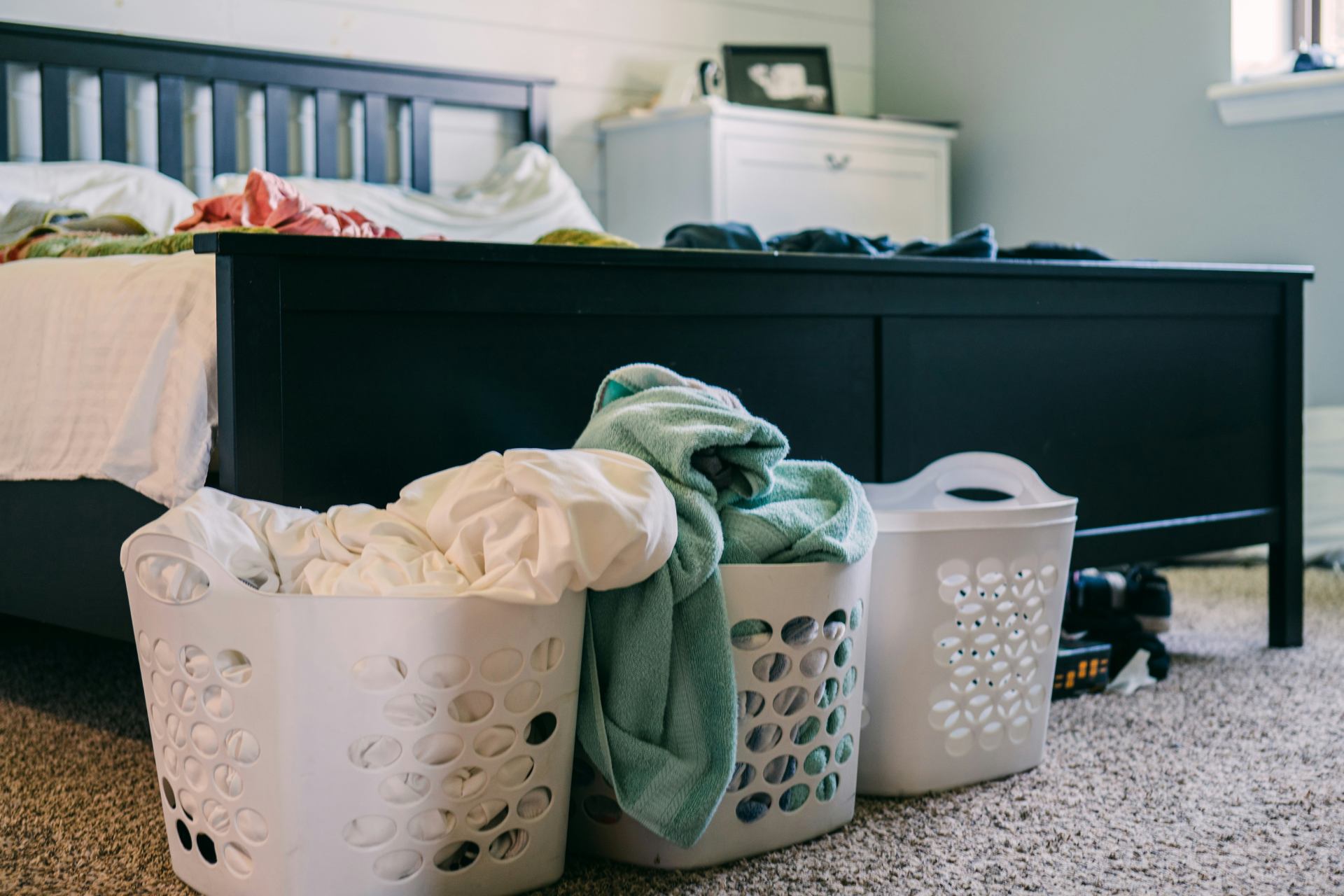
Every home has “dead zones”—those awkward gaps under the bed, above the cabinets, or beneath the stairs. These are the goldmines of clutter-free living ideas for the savvy homeowner. Instead of letting dust bunnies collect under your bed frame, invest in low-profile rolling bins to store out-of-season clothing or extra linens.
In the kitchen, the gap between the refrigerator and the wall can often accommodate a slim, pull-out pantry rack for spices and canned goods. Even the backs of doors are prime territory for over-the-door organizers. By utilizing these hidden nooks, you ensure that every item has a dedicated “home,” which is the cornerstone of maintaining a tidy household over the long term.
Multi-Functional Furniture and Clever Zones
If you are in the market for new furniture, always prioritize pieces that pull double duty. An ottoman that opens to reveal storage for blankets, or a coffee table with hidden drawers, can replace the need for bulky cabinets. This is particularly vital in high-traffic areas like the living room, where remotes, magazines, and chargers tend to migrate.
High-Impact Space-Saving Techniques
To truly optimize your home, you need to think like an architect. Efficiency is about the small details that add up to a big difference. Consider these space-saving storage hacks to streamline your daily routine:
- Magnetize Your Life: Use magnetic strips in the kitchen for knives or in the bathroom vanity for bobby pins and tweezers.
- Tension Rods: Place a tension rod under the kitchen sink to hang spray bottles, freeing up the cabinet floor for bins.
- Pegboard Walls: A pegboard in the home office or craft room allows you to customize your storage layout as your needs change.
- Uniform Containers: Transferring dry goods into clear, stackable containers not only looks professional but also prevents “bag sprawl” in the pantry.
- Corner Carousels: Install Lazy Susans in deep corner cabinets so nothing ever gets lost in the “dark abyss” again.
Customizing Your Approach
While store-bought bins are helpful, sometimes a custom touch is required to fit a specific niche. Engaging in DIY storage solutions allows you to tailor your organization to your specific lifestyle. For example, building a custom “command center” in the entryway with specific cubbies for mail, school papers, and tech charging can eliminate the dreaded “junk drawer” syndrome.
Conclusion
Mastering your home’s layout requires a blend of creativity and discipline. By looking at your walls, furniture, and hidden corners through a lens of utility, you transform a stressful environment into a sanctuary. Start with one room, apply these principles consistently, and watch as your daily routine becomes lighter. A well-organized house provides the breathing room you need to focus on what truly matters, ensuring your living space supports your goals rather than hindering them.