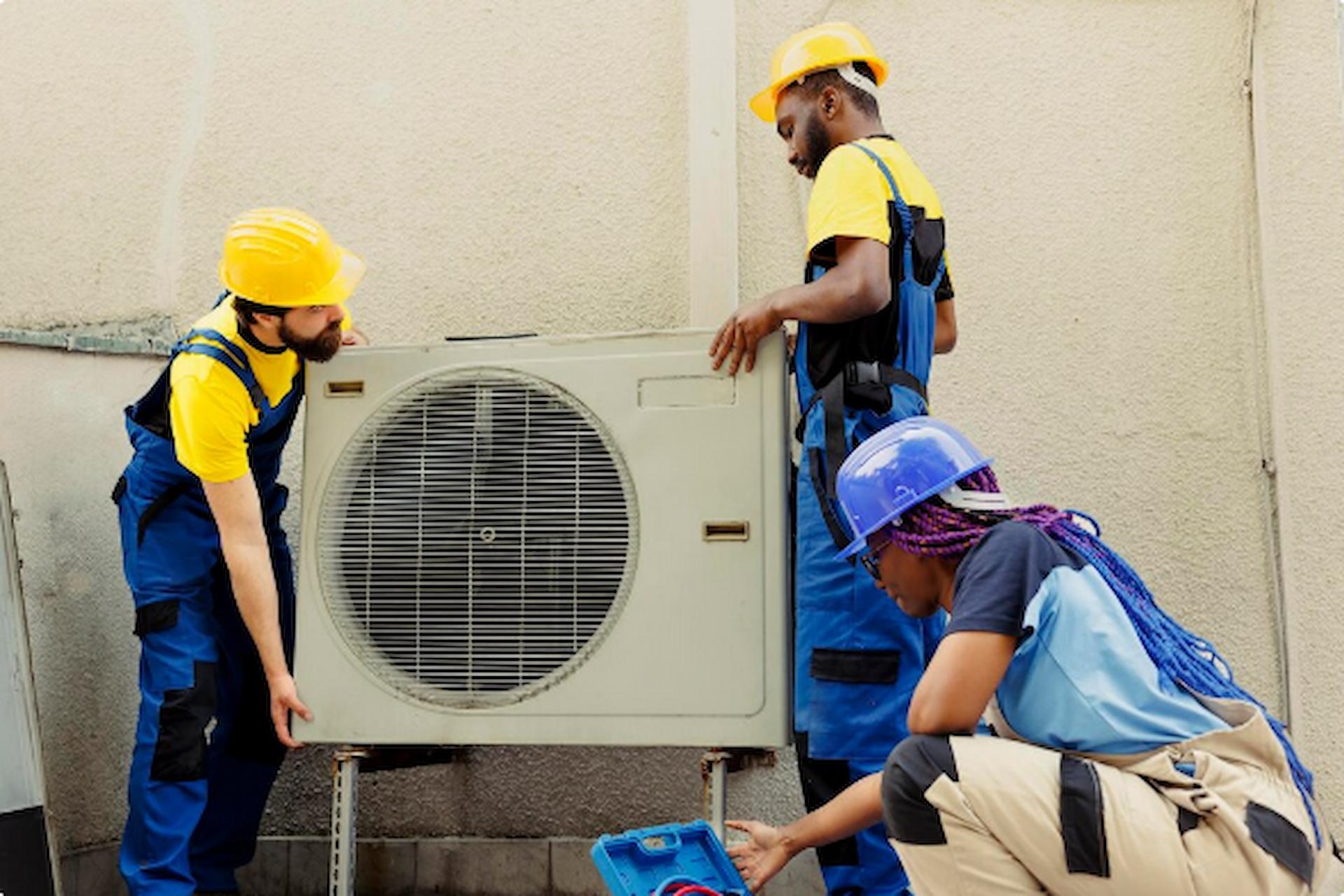
Air conditioning is no longer a luxury. It is a daily need. When the heat rises, your AC becomes your best friend. It keeps your home cool, your family comfortable, and your sleep peaceful. But like any hardworking machine, it needs care. Without proper attention, it can break down when you need it most.
The good news is simple. You can extend your AC lifespan with routine maintenance. You do not need complex tools. You do not need deep technical knowledge. You just need consistency and the right approach. In this guide, I will walk you through everything you need to know. Clear steps. Practical advice. Real-world experience.
The Real Cost of Ignoring Maintenance
Many homeowners delay servicing to save money. It feels like a smart move at first. But over time, it costs more.
A neglected AC often consumes more electricity. Dirty filters force the unit to push harder. Blocked vents reduce cooling efficiency. This leads to higher power bills month after month.
Worse still, small problems turn into major repairs. A loose wire. A dirty coil. A blocked drain line. These may seem minor, but they can damage bigger components. Compressor repairs alone can be expensive.
Eventually, the system fails earlier than expected. Instead of lasting 12 to 15 years, it may stop working in 7 or 8 years. That means replacing the unit sooner. And that is not cheap.
Therefore, preventative AC maintenance is not an expense. It is an investment. It protects your comfort and your wallet.
How Long Should an AC System Last?
On average, a well-maintained air conditioner can last 12 to 15 years. Some even reach 18 years with proper care. However, lifespan depends on several factors.
Climate plays a role. Hot regions put more stress on units. Usage also matters. Systems that run daily need more attention. Installation quality is another factor. Poor setup reduces long-term performance.
Yet one factor stands above the rest: maintenance habits.
Homeowners who schedule regular inspections and cleanings often enjoy longer-lasting systems. They face fewer breakdowns. They experience better cooling. And they delay replacement costs.
Simple Maintenance Tasks You Can Do Yourself
You do not always need a professional for basic upkeep. Some tasks are simple and safe.
1. Change or Clean Air Filters
This is the easiest and most important step. Dirty filters block airflow. They reduce cooling power. They also lower indoor air quality.
Check your filter every month. Replace it every one to three months, depending on usage. If you have pets or allergies, check more often.
Clean filters mean better airflow. Better airflow means less stress on the system.
2. Keep the Outdoor Unit Clean
Your outdoor condenser needs space to breathe. Leaves, dust, and debris can block airflow.
Clear at least two feet around the unit. Remove dirt gently. Use a soft brush or light water spray. Avoid harsh pressure.
A clean outdoor unit improves cooling efficiency and prevents overheating.
3. Check Vents and Airflow
Walk through your home. Make sure vents are not blocked by furniture or curtains. Proper airflow keeps rooms cool evenly.
Also, listen to your system. Strange noises are warning signs. Weak airflow means something needs attention.
These small checks make a big difference.
Why Professional Servicing Is Essential
While basic care helps, professional servicing is still necessary. Experts inspect parts you cannot see. They test system performance. They ensure everything works safely.
During a professional AC tune-up, technicians usually:
- Inspect electrical connections
- Clean coils
- Check refrigerant levels
- Test thermostat accuracy
- Examine drainage lines
- Lubricate moving parts
These steps improve cooling performance. They also prevent unexpected breakdowns.
Most experts recommend servicing your AC at least once a year. Ideally, schedule it before summer begins. This ensures your system is ready for peak heat.
Boost Energy Efficiency with Smart Habits
Maintenance alone is not enough. Smart usage also extends lifespan.
Use a Programmable Thermostat
Set your thermostat wisely. Avoid extreme low settings. A moderate temperature reduces system strain.
You can also program higher temperatures when you are away. This lowers energy consumption and protects components.
Seal Air Leaks
Cool air escapes through gaps around windows and doors. When this happens, your AC runs longer.
Seal cracks. Add weather strips. Improve insulation if needed. These steps support energy efficiency and system health.
Use Ceiling Fans
Fans help circulate cool air. As a result, your AC does not need to run constantly. This reduces wear and tear.
Small changes create big savings.
Signs Your AC Needs Immediate Attention
Even with good care, problems may appear. Watch for warning signs.
- Warm air blowing from vents
- Weak airflow
- Strange smells
- Loud noises
- Frequent cycling on and off
- Rising electricity bills
Do not ignore these signs. Early repair prevents larger damage.
If your unit struggles often, schedule an inspection. Acting quickly can extend the system’s working life.
Indoor Air Quality and Health Benefits
Routine maintenance does more than protect your AC. It also protects your health.
Dirty systems spread dust and allergens. Mold can grow in clogged drain lines. Poor airflow affects breathing comfort.
Regular cleaning improves indoor air quality. It reduces allergy triggers. It keeps your home fresh and comfortable.
Clean air supports better sleep and overall well-being. Therefore, maintenance is not only about machines. It is about your family’s health.
The Long-Term Value of Preventive AC Maintenance
Let’s look at the bigger picture.
When you invest in preventative AC maintenance, you:
- Lower energy bills
- Reduce repair costs
- Improve cooling efficiency
- Extend equipment lifespan
- Increase home comfort
- Boost property value
Buyers often ask about the condition of the HVAC system. A well-maintained unit adds trust and appeal.
Moreover, consistent servicing builds a maintenance record. This proves responsible ownership. It shows care and reliability.
Over time, the savings add up. And the peace of mind is priceless.
Creating a Simple Maintenance Schedule
You do not need a complex plan. Keep it simple.
Monthly:
- Check air filters
- Inspect airflow
- Clear visible debris
Every 3–6 Months:
- Deep clean the surrounding areas
- Check thermostat settings
Once a Year:
- Schedule a professional inspection
- Complete a full system tune-up
Set reminders on your phone. Mark your calendar. Make it a habit.
Consistency is the secret to long-term performance.
Final Thoughts:
Your air conditioner works hard for you. It keeps your home cool during extreme heat. It protects your comfort. It supports your health. But it cannot protect itself. Routine care is simple. It does not take much time. Yet it delivers powerful results. Lower bills. Fewer breakdowns. Longer lifespan.
Do not wait for a costly repair. Do not wait for a summer breakdown. Start today. Extend your AC lifespan with routine maintenance. Make preventative AC maintenance part of your yearly routine. Your future self will thank you. Comfort is not just about cooling. It is about smart care, smart habits, and smart decisions. And it starts now.