A comfortable home can quickly turn stressful when your heating, cooling, or plumbing systems start acting up. What begins as a small inconvenience—like a strange noise or weak airflow—can escalate into costly repairs if ignored. The key is knowing when something isn’t right and acting before the damage spreads.
Many homeowners overlook early warning signs, assuming they’ll resolve on their own. In reality, HVAC and plumbing issues rarely fix themselves. Recognizing these signals early can save money, prevent damage, and keep your home running smoothly year-round.
Why Early Detection of HVAC and Plumbing Issues Matters
Spotting problems early is one of the smartest ways to protect your home. Minor issues, if left unchecked, often grow into expensive repairs or full system failures.
A leaking pipe can weaken walls and flooring over time. A struggling HVAC unit can overwork itself, increasing energy bills and reducing lifespan. Early intervention not only prevents emergencies but also improves efficiency and comfort. It ensures your home remains safe, energy-efficient, and stress-free.
Sign 1 – Unusual Noises Coming from HVAC or Pipes
Your home’s systems should operate quietly in the background. When you start hearing unusual sounds, it’s often a warning sign.
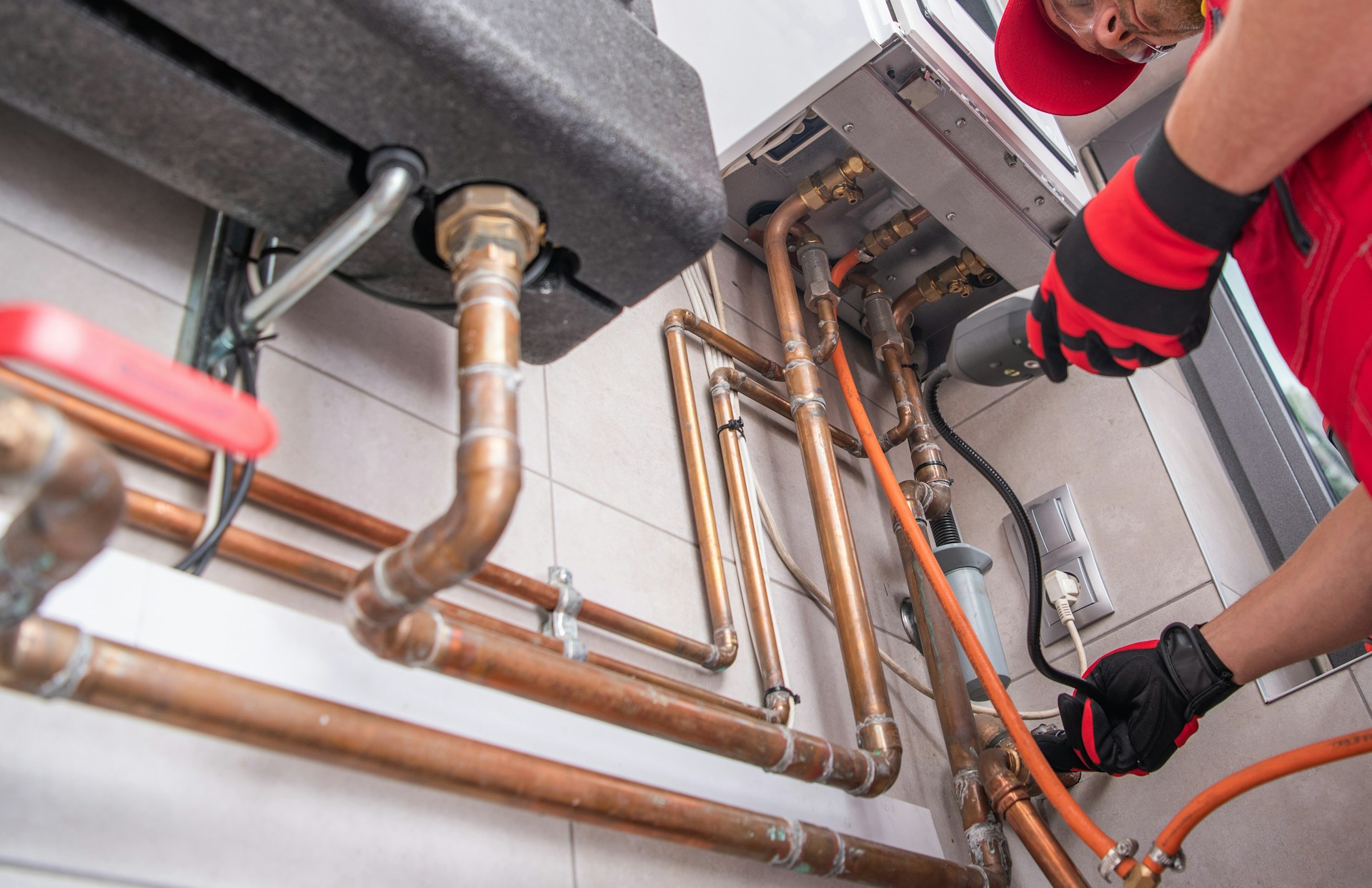
Banging, rattling, or screeching noises from your HVAC system may point to loose components, motor issues, or airflow restrictions. Similarly, gurgling or knocking sounds in your pipes can indicate trapped air, blockages, or pressure problems.
These noises rarely disappear on their own. Addressing them early can prevent mechanical failure or pipe damage.
Sign 2 – Weak Airflow or Inconsistent Cooling/Heating
If some rooms feel comfortable while others don’t, your HVAC system may not be working efficiently.
Weak airflow can be caused by clogged filters, duct leaks, or failing components. You might also notice your system running longer than usual without achieving the desired temperature.
This not only affects comfort but also drives up energy costs. A system that struggles to maintain temperature is often signaling the need for repair or maintenance.
Sign 3 – Water Leaks, Damp Spots, or Low Water Pressure
Water-related issues are among the most common—and potentially damaging—problems homeowners face.
Damp spots on walls, ceilings, or floors may indicate hidden leaks. Low water pressure can signal pipe corrosion, blockages, or leaks within the system. Even a small, unnoticed leak can lead to mold growth and structural damage over time.
If you observe any of these signs, it’s wise to consult a local plumber in Westerville, OH who can identify the root cause and prevent further damage.
Sign 4 – Sudden Increase in Energy or Water Bills
A spike in utility bills without a clear explanation is often a red flag.
An inefficient HVAC system may consume more energy due to worn-out parts or poor airflow. Similarly, hidden plumbing leaks can waste water continuously, increasing your monthly bill.
Monitoring your utility costs can help you catch issues early. If you notice a sudden rise, it’s worth investigating before the problem worsens.
Sign 5 – Unpleasant Odors from Vents or Drains
Strange smells are not just unpleasant—they can indicate serious problems.
A burning smell from your HVAC system may suggest overheating components or electrical issues. Musty odors could mean mold or mildew in ducts. On the plumbing side, foul smells from drains often point to sewer line issues or buildup inside pipes.
Ignoring these odors can impact indoor air quality and health. Prompt action is essential to resolve the underlying issue.
Sign 6 – Frequent System Cycling or Slow Drainage
Your HVAC system should follow a steady cycle. If it turns on and off too frequently, it may be struggling to maintain temperature.
Short cycling can result from thermostat issues, clogged filters, or failing components. Over time, this puts strain on the system and shortens its lifespan.
Similarly, slow drainage in sinks or tubs often signals blockages forming in your pipes. While it may seem minor at first, it can lead to complete clogs if left untreated.
Sign 7 – Visible Wear and Aging Equipment
Every system has a lifespan, and visible wear is a clear indicator that repairs—or replacements—may be needed.
Rust, corrosion, or cracks in pipes can lead to leaks. Older HVAC units may struggle to perform efficiently and require frequent repairs. If your systems are aging and showing signs of wear, it’s time to evaluate their condition.
Upgrading or repairing aging equipment can improve efficiency, reduce costs, and enhance overall comfort.
When to Call a Professional Immediately
Some issues require urgent attention and should never be delayed.
If you experience major leaks, no heating or cooling, unusual burning smells, or rapidly increasing bills, it’s best to seek professional help right away. These situations can escalate quickly and cause significant damage.
In such cases, contacting a reliable local plumber in Westerville, OH ensures that the problem is diagnosed accurately and resolved efficiently, helping you avoid further complications.
Conclusion
Your home’s HVAC and plumbing systems work hard every day to keep your environment comfortable and functional. When they start showing signs of trouble, it’s important to act quickly rather than wait for a complete breakdown.
From unusual noises and weak airflow to leaks and rising bills, these warning signs are your first line of defense against costly repairs. By staying alert and addressing issues early, you can protect your home, save money, and maintain peace of mind.
When in doubt, seeking professional guidance can make all the difference—ensuring your systems continue to run smoothly for years to come.